Skip to content
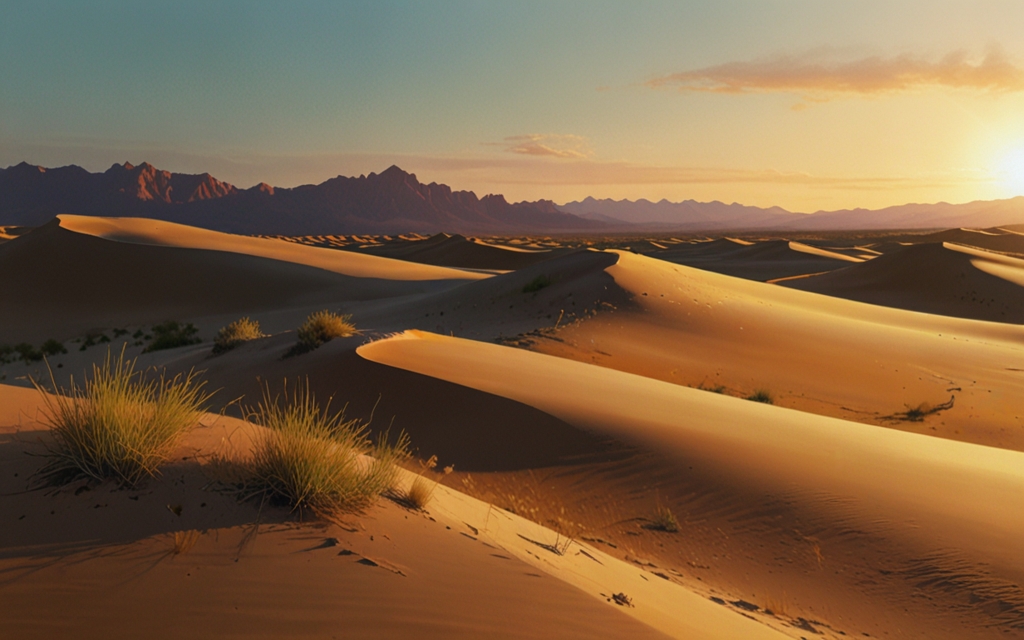
Zambia — a landscape evoking the country, painted illustration
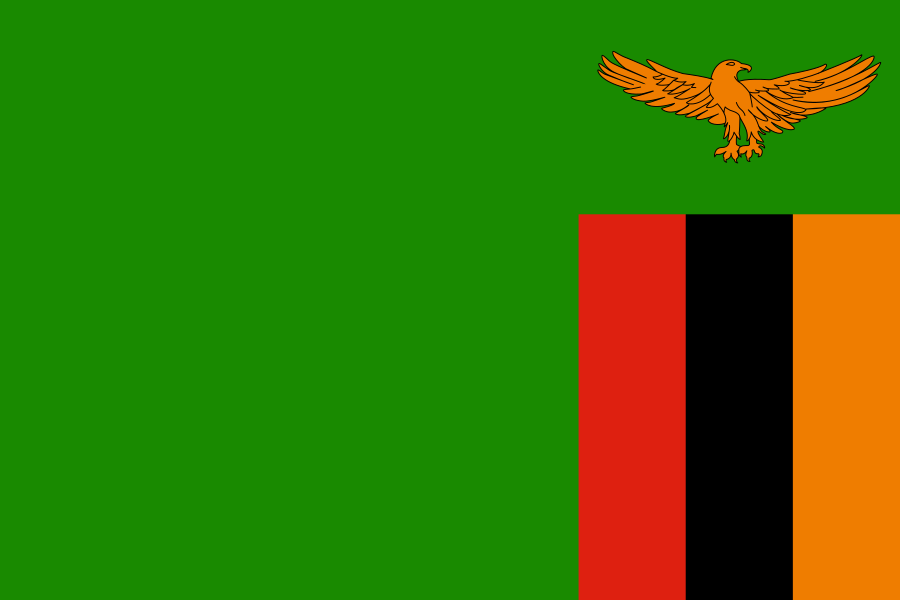
Flag of Zambia

Sub-Saharan Africa

在Zambia退休

Zambia offers very affordable retirement settings by global standards, with a cost of living around one-third of the US level, warm year-round temperatures averaging 21.9°C, and English as the official language. The country's healthcare infrastructure is developing, and life expectancy stands at 66.5 years—factors worth researching carefully against your personal health needs and risk tolerance.

货币
ZMW
主要语言
English
人口
22M

一览表

生活成本

比美国便宜约70%

国家物价水平与美国相比 · World Bank (PPP ÷ FX rate), 2025

收入(人均GDP,购买力平价)

$4,215

World Bank, 2024

医疗(全民健保指数)

62/100

全民健康覆盖服务指数 · WHO GHO, 2023

预期寿命

66.5 yrs

World Bank, 2024

生活成本

Zambia is notably cheaper than the US—roughly one-third the price level—which means your retirement income stretches significantly. Housing is the biggest variable; renting a modest apartment in central Lusaka or Livingstone costs far less than comparable US accommodation, though international-standard rentals for expats command a premium. Groceries, local transport, and dining at casual restaurants are all very affordable, though imported goods and fuel carry higher markups. Healthcare and utilities are also inexpensive, making it possible to live comfortably on a modest fixed income if you're flexible about where and how you live.

Housing is affordable overall, especially for local-standard rentals, though expatriate-oriented apartments in central Lusaka or Livingstone command higher prices; it's usually the largest expense but still modest by US standards. Groceries for local foods—maize, vegetables, chicken, and fish—are very cheap; imported goods and Western brand products cost significantly more. Dining out at local restaurants and street food is inexpensive; mid-range restaurants catering to expats are moderate. Transport within cities via taxi or shared minibus is very cheap; hiring a private driver for safety and convenience is also affordable. Utilities (water, electricity, internet) are inexpensive, though power outages and water shortages can disrupt service. Healthcare is split: public services are nearly free, and private consultations and tests are much cheaper than the US, though good private insurance premiums add a recurring cost. Leisure activities—visits to Victoria Falls, safari trips, and golf—range from budget-friendly to pricey depending on your choices.

以国家价格水平(比美国便宜约70%)为基准 — World Bank (PPP ÷ FX rate) 2025。

医疗

Zambia's public healthcare system covers a decent range of services, reflected in a coverage index of 62, but is under strain and often lacks equipment, medicines, and specialist staff. Most foreign retirees combine public care with private insurance and private clinics, especially for diagnostics and non-urgent procedures. Life expectancy sits at 66.5 years, a reflection of infectious disease burden and healthcare access challenges. English-speaking doctors are available in private practices in Lusaka and Livingstone, and expatriate communities often know reliable providers; establishing relationships before a health crisis and keeping comprehensive private insurance is wise. Prescription medications are generally available at pharmacies, though some Western brands may need to be brought in or sourced through regional suppliers.

Foreign retirees in Zambia can access both the public system and private care, though the mix you'll use depends on your needs and budget. Public healthcare (clinics and government hospitals) is free or very cheap for registered residents and covers common illnesses, maternal care, and immunizations; the coverage index of 62 reflects adequate breadth but weak depth—equipment, medicines, and specialist expertise are often lacking. Most expatriates register at a private clinic or hospital in their city and carry private health insurance; English-speaking doctors are concentrated in Lusaka and Livingstone, and your local expat community can recommend trusted providers. Waiting times in public facilities can be long and unpredictable; private clinics are faster but pricier. Prescriptions are filled at private pharmacies; common medications are available, but some Western brands may not be in stock, and you should bring a supply of any essential, hard-to-source drugs from home. Specialist and surgical care is sometimes sought in South Africa or beyond, so evacuation and medical tourism insurance is prudent. Life expectancy of 66.5 years reflects the burden of infectious disease, so preventive care—malaria prophylaxis, vaccinations, and regular check-ups—is as important as treating acute illness.

覆盖指数 62/100 (WHO 2023) · 预期寿命 66.5 年 (World Bank 2024). 一般信息,非医学建议。

成本健康气候长寿繁荣

五因素概况

每个轴是一个 0–100 分数,源自上述指标和下述气候常态 — 没有手动设置。参见方法论了解确切公式。

  • 可负担性92
  • 医疗62
  • 气候舒适度96
  • 长寿38
  • 繁荣26

气候与季节

Zambia has a subtropical highland climate with warm, wet summers and mild, dry winters. In Lusaka (annual mean 21.9°C), January averages 22.4°C and is humid with heavy rains, while July averages 17.4°C and is cool and dry—you'll need light sweaters and jackets in winter mornings. Ndola, in the north, is slightly cooler (annual 20.9°C) and wetter (1036 mm annually), with January at 21.2°C and July at 16.8°C, making it greener but also more prone to mosquitoes during the rainy season. Livingstone, in the south, is warmer (annual 23°C) and drier (613 mm annually), with January reaching 24.8°C and July at 17°C—sunnier and more comfortable for those who dislike heavy rain. The rainy season runs November to March across all regions; the dry season (May–September) is peak tourist and travel season, with crisp mornings and sunny days.

城市年平均值一月七月年降雨量
Lusaka21.9°C22.4°C17.4°C780 mm
Ndola20.9°C21.2°C16.8°C1,036 mm
Livingstone23°C24.8°C17°C613 mm

Source: NASA POWER (MERRA-2 climatology), long-term climatology.

一年的生活

January in Lusaka is hot and humid (mean 22.4°C) with heavy rain; it's the height of the rainy season, and energy levels often dip in the heat and moisture. February and March continue warm and wet, ideal for gardening and nature watching as the landscape greens up, though malaria risk peaks. April and May mark the transition to autumn and dry season; temperatures ease (mid-teens to low 20s°C), humidity drops, and the social season picks up—festivals and outdoor events resume. June and July are winter, cool and dry, with July averaging 17.4°C in Lusaka and mornings requiring a sweater; this is peak tourist season, schools are on holiday, and the landscape is golden. August and September are still dry and cool; birdwatching is superb, and travel is easy. October and November are spring, warming up (moving toward 25–26°C by late November) with occasional rains; vegetation begins to green, and electricity supply is often strained. In Livingstone (warmer by 1–2°C year-round) and Ndola (wetter, cooler), seasonal rhythms are similar, though Ndola stays greener and Livingstone drier. Most retirees find April–October most comfortable for activity and socializing, and plan medical appointments or travel during the dry season when roads and logistics are most reliable.

城市深度解析

Lusaka, the capital, is the main hub for expat services, healthcare, and commerce—bustling, congested, and the best place to find English-speaking professionals and familiar infrastructure, though air pollution and traffic can be challenging. Livingstone, on the Zambezi River near Victoria Falls, is smaller, greener, and more laid-back, with a strong tourism and adventure-sports culture; it suits retirees who want natural beauty, milder weather, and a tighter-knit community over urban amenities. Ndola, in the Copperbelt in the north, is an industrial and commercial center less focused on tourism; it's quieter than Lusaka and greener than Livingstone, but offers fewer expat services and is better suited to those comfortable with a more local experience.

退休签证途径

无专门退休签证

Zambia offers a straightforward residence permit route for retirees without a formal 'retirement visa,' though you will need to demonstrate financial self-sufficiency. Most retirees enter on a tourist visa and then apply for a residence permit from within the country. You'll typically need proof of income or savings (around USD 1,000–2,000 per month is often cited as a guideline, but verify the current threshold with the immigration authority), a clean police record, and a medical certificate. The process usually takes 4–8 weeks from application to approval. Contact the Zambian immigration authority through the official government portal and your nearest Zambian embassy or consulate in your home country for current requirements and forms; immigration rules can shift, so confirm before you travel.

逐步说明

1. Gather proof of financial self-sufficiency (bank statements showing around USD 1,000–2,000 monthly income or savings; verify current thresholds), a valid passport, a police clearance from your home country, and a medical certificate (usually a simple form, not a full physical). 2. Apply for a tourist visa at the nearest Zambian embassy or consulate in your home country—this typically takes 2–4 weeks and costs a modest fee. 3. Enter Zambia on your tourist visa. 4. Once in-country, submit your residence permit application to the Zambian immigration authority with your documents, passport photos, and completed forms; this stage may include biometrics and a police/medical check conducted in Zambia. 5. Attend an interview if requested, and wait for approval (typically 4–8 weeks). 6. Collect your residence permit once issued; it usually grants 1–5 years of stay, depending on the category. 7. Plan to renew your permit before expiry; over time and with good conduct, you may become eligible for permanent residence. Contact the official Zambian immigration authority portal and your nearest embassy or consulate for current forms, fees, and timelines; requirements can change, so confirm before you begin.

已验证的官方来源: www.zambiaimmigration.gov.zm

由官方资源草拟的AI内容 · 待人工审核 · 草拟于 2026-07

税务

Zambia taxes residents on worldwide income, but the definition of 'resident' and the rates depend on how long you stay and your employment status. As a foreign retiree drawing a pension or investment income from abroad, you may face tax on that income if classified as resident; however, many retirees structure their affairs to minimize exposure, and tax treaties between Zambia and Western countries can affect your liability. Zambia does not have a formal wealth or property tax on real estate for residents, though rental income is taxable. Tax law changes frequently and applies unevenly; you should consult a cross-border tax professional who understands both Zambian and US (or your home country's) rules before committing to a move, to avoid surprises.

安全与旅游警告

Zambia is generally safer than many neighboring African countries, and Lusaka and Livingstone have established expatriate communities with reasonable security infrastructure. Petty theft and burglary are the main concerns in cities; violent crime against foreigners is uncommon but does occur. Avoid walking alone at night, secure your home well, and use registered taxis or private drivers. Malaria is present, especially in lower-lying areas and during the rainy season, so antimalarial precautions are essential; dengue and other vector-borne illnesses also circulate. Medical emergencies and accidents can be serious given the gaps in public healthcare, so evacuation insurance is prudent. Check your own government's official travel advisory for the current security and health picture before you depart.

在这里退休是什么样的

Retirement in Zambia moves at a slower pace than the US; bureaucracy and infrastructure require patience, but the trade-off is a lower cost of living and a tight-knit expat community, especially in Lusaka and Livingstone. English is widely spoken, which eases daily interaction, though Bemba, Tonga, and other local languages dominate in rural areas. Social life centers on expat clubs, church groups, and outdoor activities—hiking, safari, and birdwatching are popular hobbies. Getting around in cities means using taxis, hiring drivers, or relying on ride-hailing apps in Lusaka; road conditions outside the capital can be rough. Shopping for familiar goods requires patience and higher prices; accepting local alternatives and a slower rhythm of life is key to contentment. The expat bubble can be comfortable but also insular, and meaningful connection with Zambian neighbors takes deliberate effort.

通常适合: Retirees seeking genuine affordability in a warm climate, with adventurous spirit, good health, and willingness to navigate a less-developed healthcare system.

常见问题

在Zambia退休要花多少钱?
Zambia的总体生活成本为比美国便宜约70%(World Bank PPP购买力平价水平)。 Zambia is notably cheaper than the US—roughly one-third the price level—which means your retirement income stretches significantly. Housing is the biggest variable; renting a modest apartment in central Lusaka or Livingstone costs far less than comparable US accommodation, though international-standard rentals for expats command a premium.
Zambia的医疗保健如何?
Zambia在WHO全民医疗保障指数上得分为62/100。 Zambia's public healthcare system covers a decent range of services, reflected in a coverage index of 62, but is under strain and often lacks equipment, medicines, and specialist staff. Most foreign retirees combine public care with private insurance and private clinics, especially for diagnostics and non-urgent procedures.
Zambia的气候如何?
Zambia全年平均气温为21.9°C,范围从17.4°C到26.6°C(NASA POWER常年数据)。 Zambia has a subtropical highland climate with warm, wet summers and mild, dry winters. In Lusaka (annual mean 21.9°C), January averages 22.4°C and is humid with heavy rains, while July averages 17.4°C and is cool and dry—you'll need light sweaters and jackets in winter mornings.
Zambia提供什么退休或长期居留签证?
Zambia does not have a formal retirement visa program. Long-stay residence typically falls under general residence permits or business visitor categories, which are issued at immigration discretion. Proof of means (savings or pension income) may strengthen your application, though specific thresholds are not publicly standardized.
Zambia对退休人士安全吗?
Check your government's official travel advisory for Zambia before deciding; security and health conditions vary by region and change over time.
如果我在Zambia退休,我需要缴税吗?
Zambia has tax obligations for residents; consult a local tax professional or your country's tax authority to understand filing requirements and any treaties affecting your pension or investment income.
本概况是研究辅助工具,不构成移民、税务或财务建议。数据为国家级别,附带来源和年份;签证和生活方式摘要由AI从官方页面草拟,待人工审核。在采取行动前,请务必核实官方政府来源和具有资质的专业人士的信息。