Skip to content
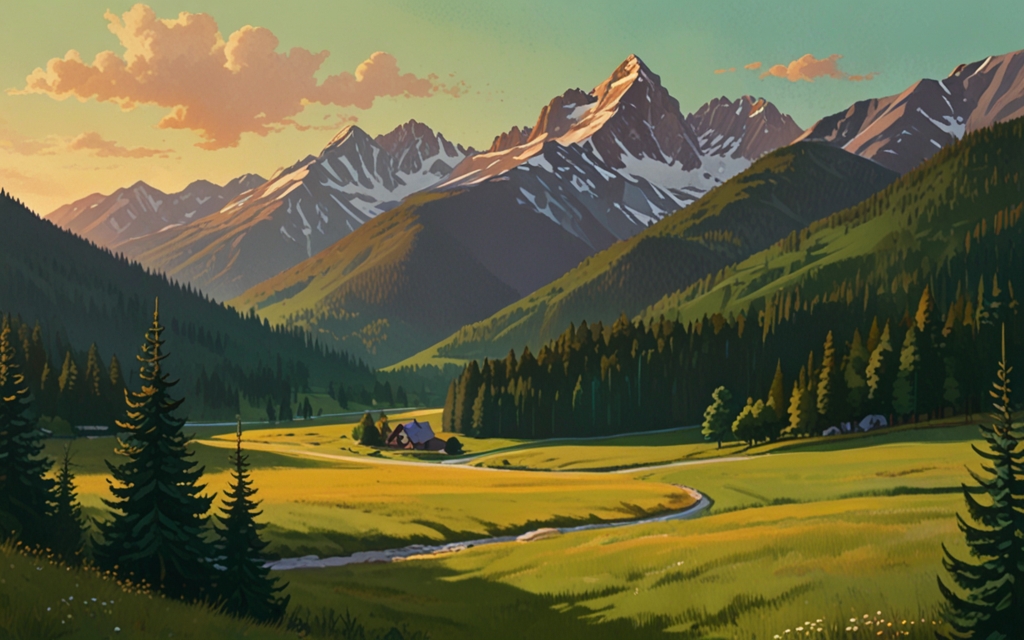
Czechia — a landscape evoking the country, painted illustration
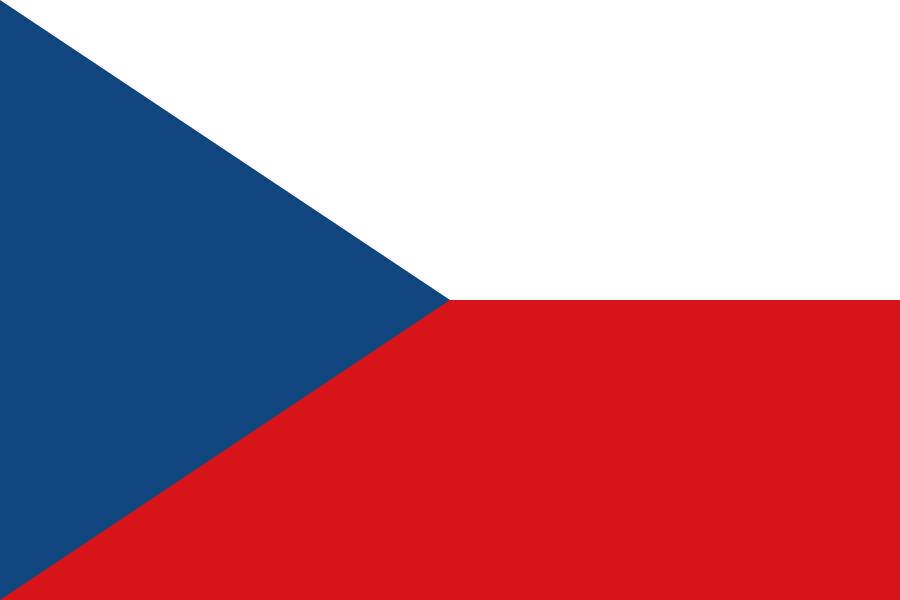
Flag of Czechia

Central Europe

在Czechia退休

Czechia offers a well-developed healthcare system and a cost of living significantly below North American and Western European standards, making it an attractive base for retirees seeking affordability without sacrificing quality of life. The country sits in Central Europe with mild-to-cool winters and moderate summers, and a life expectancy in line with developed nations.

货币
CZK
主要语言
Czech
人口
11M

一览表

生活成本

比美国便宜约41%

国家物价水平与美国相比 · World Bank (PPP ÷ FX rate), 2025

收入(人均GDP,购买力平价)

$57,285

World Bank, 2024

医疗(全民健保指数)

83/100

全民健康覆盖服务指数 · WHO GHO, 2023

预期寿命

80 yrs

World Bank, 2024

生活成本

Czechia is noticeably cheaper than the US overall—at about 59% of US price levels—meaning your retirement income stretches further. Housing tends to be the biggest saving; groceries and dining out are markedly affordable, especially outside Prague. Utilities, transport, and healthcare are all reasonable, though quality imported goods and Western-style services in central areas can close the gap. Most retirees find they live comfortably on a modest budget, with discretionary spending on travel and leisure the main variable.

Housing is a major saving—rent or property purchase prices are significantly cheaper than the US, especially outside Prague, where a comfortable apartment feels very affordable. Groceries are noticeably cheaper, particularly Czech staples (bread, cheese, beer); imported Western foods cost more. Dining out is inexpensive if you eat local—a café meal or pub lunch feels trivial by US standards—though Western restaurants and tourist areas command higher prices. Transport (buses, trams, trains) is extremely cheap; a monthly pass is a small fraction of a car's upkeep. Utilities (heating, electricity, water) are moderate, though winter heating can add up in old buildings. Healthcare through the public system is nearly free; private insurance is affordable, and prescriptions are much cheaper than the US. Leisure and travel within Europe are reasonably priced, making weekend trips to neighboring countries accessible. Overall, you save most on housing and food, moderate savings on transport and utilities, and can afford robust healthcare without strain.

以国家价格水平(比美国便宜约41%)为基准 — World Bank (PPP ÷ FX rate) 2025。

医疗

Czechia has a solid public healthcare system covering residents, with a coverage index of 83 and life expectancy of 80 years—comparable to Western Europe. Foreigners who establish residence can usually register with the public system, though many retirees buy supplemental private insurance for choice of doctor and faster access to specialists. English-speaking doctors are common in Prague and larger cities, less so in smaller towns. Most retirees use a mix of public care for routine needs and private clinics for convenience; prescription medications are widely available and affordable.

As a foreign resident, you can register with the Czech public healthcare system once you have a residence permit, giving you access to a doctor (praktik), specialists, hospital care, and medications at minimal cost—a major advantage. The public system is reliable and efficient, with life expectancy at 80 reflecting good overall outcomes, though waiting times for non-urgent specialists can be weeks. Many retirees buy private health insurance (often employer-tied or voluntary) for faster access, choice of English-speaking doctor, and premium facilities; private insurance is inexpensive relative to the US and widely available. In Prague and Brno, finding English-speaking doctors is straightforward; in smaller towns, language barriers are more likely. Prescriptions are easy to fill and medications are cheaper than in the US. Dental and vision care are often out-of-pocket but affordable. The blend of public care as your safety net and private insurance for convenience is standard among foreign retirees, balancing security and choice.

覆盖指数 83/100 (WHO 2023) · 预期寿命 80 年 (World Bank 2024). 一般信息,非医学建议。

成本健康气候长寿繁荣

五因素概况

每个轴是一个 0–100 分数,源自上述指标和下述气候常态 — 没有手动设置。参见方法论了解确切公式。

  • 可负担性61
  • 医疗83
  • 气候舒适度35
  • 长寿81
  • 繁荣79

气候与季节

Czechia has a moderate continental climate with distinct seasons. Winters are chilly and dark: January averages around −2°C in Prague and −3°C in Ostrava, with frequent grey days and occasional snow. Summers are mild and pleasant: July averages 20°C in Prague and Ostrava, 21°C in Brno—warm enough for outdoor life but rarely hot. Spring and autumn are unpredictable; rain is spread year-round (Prague gets 639 mm annually, Ostrava 704 mm). If you dislike cold, plan indoor hobbies and heating costs for winter; if you enjoy proper seasons, the rhythm suits many retirees well.

城市年平均值一月七月年降雨量
Prague8.9°C-2.2°C20.1°C639 mm
Brno9.6°C-2.6°C21.4°C589 mm
Ostrava8.7°C-3.3°C20.1°C704 mm

Source: NASA POWER (MERRA-2 climatology), long-term climatology.

一年的生活

Winter (January–March) is cold and grey: Prague and Brno hover around −2°C in January, with Ostrava slightly colder at −3°C. Snow is common but inconsistent; heating bills rise, and many retirees retreat indoors to museums, theaters, and cafés. Spring (April–May) is unpredictable—rain and sudden warmth mix—but outdoor life slowly returns. Summer (June–August) is mild and pleasant, with July around 20–21°C across the country; this is peak travel season, ideal for day trips and café life outdoors, though Prague swells with tourists. Autumn (September–October) brings crisp air and golden light before rain increases; it's a shoulder season favored by many for exploring without crowds. Throughout the year, annual precipitation ranges from 589 mm in Brno to 704 mm in Ostrava, so rain is steady—plan indoor hobbies and waterproof gear. The rhythm suits those who embrace seasonal variation; heat-sensitive retirees should note summers rarely exceed 21°C, while cold-averse ones will endure three months of darkness and chill.

城市深度解析

Prague, the capital, is a medieval gem on the Vltava with a large expat population, excellent restaurants and galleries, but rising costs and summer crowds. It suits retirees who want urban buzz, walkability, and cultural stimulation. Brno, the second city in the Moravian east, is smaller, greener, and younger in character—less touristy, with a strong tech and university presence, lower costs, and good wine culture nearby. Ostrava, the industrial heart in the northeast, is less visited, affordable, grittier in character, and best for those seeking authentic local life away from expat crowds. All three have good healthcare and public transport; Prague offers the most amenities and English, while Brno and Ostrava reward patience with deeper integration and lower costs.

退休签证途径

无专门退休签证

Czechia offers a long-stay residence permit for retirees (often called 'temporary residence' initially), which typically requires proof of stable income to cover living costs, a clean background check, and health insurance. The exact income threshold varies and should be verified with the current regulations, but the process generally takes several months. You apply at a Czech embassy or consulate in your home country, then convert to a residence permit in-country. After a period (usually several years), you can apply for permanent residence. The system is bureaucratic but straightforward for those with clear finances. Start by contacting your nearest Czech embassy or consulate and the official government immigration portal for current thresholds and requirements.

逐步说明

Begin by gathering proof of stable monthly income (pension statements, investment records, sponsorship letters) sufficient to cover your living costs—verify the current threshold with your nearest Czech consulate, as rules change. Contact the Czech embassy or consulate in your home country and request the retirement/long-stay residence application package. Complete the application, submit it with your proof of income, a clean police background check, and a medical certificate (usually a simple health check). Attend a biometric appointment if required. Once approved, you receive an entry visa. Upon arrival in Czechia, register with the local immigration office to convert your entry visa into a residence permit. Renewals occur periodically (typically annually or every few years); compliance with reporting and tax requirements keeps your status secure. For current forms, timelines, and exact income requirements, visit the official government immigration portal and contact your nearest Czech embassy or consulate.

已验证的官方来源: www.mvcr.cz

由官方资源草拟的AI内容 · 待人工审核 · 草拟于 2026-07

税务

Foreign residents in Czechia are taxed on worldwide income if they spend more than 183 days per year in the country—a standard residency threshold. Retirement income from abroad (pensions, investment returns) may be subject to Czech taxation, though your home country and Czechia have tax treaties that may reduce double taxation. Czech tax rates are moderate, but rules vary by source of income and residency status. Because your situation is unique—depending on visa type, income sources, and your home country—you should consult a cross-border tax professional before moving. They can help you understand your obligations and optimize your filing.

安全与旅游警告

Czechia is generally safe for residents and visitors; violent crime is low and everyday theft is uncommon, though petty pickpocketing occurs in Prague's tourist areas and on public transport. As an older resident, you're unlikely to be targeted; normal urban awareness (not flashing valuables, using registered taxis) is sufficient. Healthcare access is reliable and ambulance response is good. Air quality can be poor in winter in industrial areas like Ostrava, worth noting if you have respiratory concerns. For the current security and health situation, check your home government's official travel advisory before moving.

在这里退休是什么样的

Life in Czechia moves at a relaxed pace, especially outside Prague. You'll find a small but active expat community in Prague and Brno, with English increasingly spoken among younger Czechs and service workers, though learning basic Czech phrases helps and shows respect. Public transport (trams, buses, trains) is excellent and cheap, so a car is optional. The culture is reserved at first, but neighborhoods have strong community rhythms: markets, cafés, and pubs are social hubs. Retirement here tends to feel quiet and stable rather than exciting—good for those seeking calm, slower-paced life with access to Europe's history and culture.

通常适合: Retirees drawn to Central European history and culture, who value accessible healthcare and lower living costs, and who are comfortable with cooler winters and learning or navigating in Czech.

常见问题

在Czechia退休要花多少钱?
Czechia的总体生活成本为比美国便宜约41%(World Bank PPP购买力平价水平)。 Czechia is noticeably cheaper than the US overall—at about 59% of US price levels—meaning your retirement income stretches further. Housing tends to be the biggest saving; groceries and dining out are markedly affordable, especially outside Prague.
Czechia的医疗保健如何?
Czechia在WHO全民医疗保障指数上得分为83/100。 Czechia has a solid public healthcare system covering residents, with a coverage index of 83 and life expectancy of 80 years—comparable to Western Europe. Foreigners who establish residence can usually register with the public system, though many retirees buy supplemental private insurance for choice of doctor and faster access to specialists.
Czechia的气候如何?
Czechia全年平均气温为8.9°C,范围从-2.2°C到20.1°C(NASA POWER常年数据)。 Czechia has a moderate continental climate with distinct seasons. Winters are chilly and dark: January averages around −2°C in Prague and −3°C in Ostrava, with frequent grey days and occasional snow.
Czechia提供什么退休或长期居留签证?
Czechia does not have a dedicated retirement visa program. Most retirees pursue long-stay residence through the standard long-term residence permit (typically based on proof of stable income and accommodation), or EU residency if eligible. The specific income threshold varies and is reviewed regularly; consult the Czech Interior Ministry or your nearest Czech embassy or consulate for current requirements and application procedures.
Czechia对退休人士安全吗?
Check your government's official travel and living advisory for Czechia before deciding to relocate.
如果我在Czechia退休,我需要缴税吗?
Tax residence and obligations for retirees in Czechia are complex and vary by citizenship and income source; consult a tax professional or the Czech Tax Office before moving.
本概况是研究辅助工具,不构成移民、税务或财务建议。数据为国家级别,附带来源和年份;签证和生活方式摘要由AI从官方页面草拟,待人工审核。在采取行动前,请务必核实官方政府来源和具有资质的专业人士的信息。