Skip to content
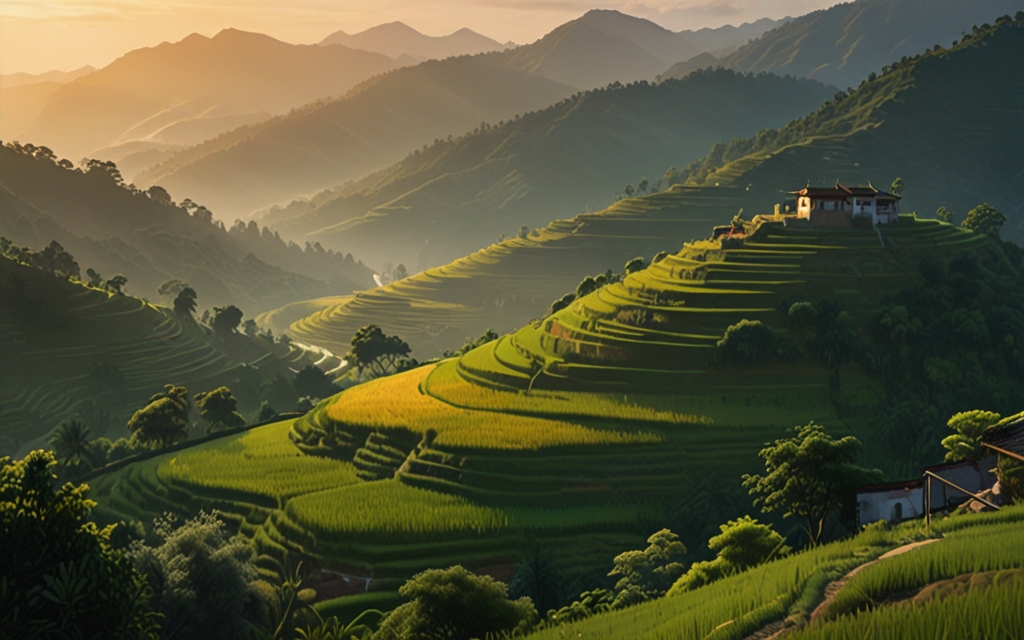
Honduras — a landscape evoking the country, painted illustration
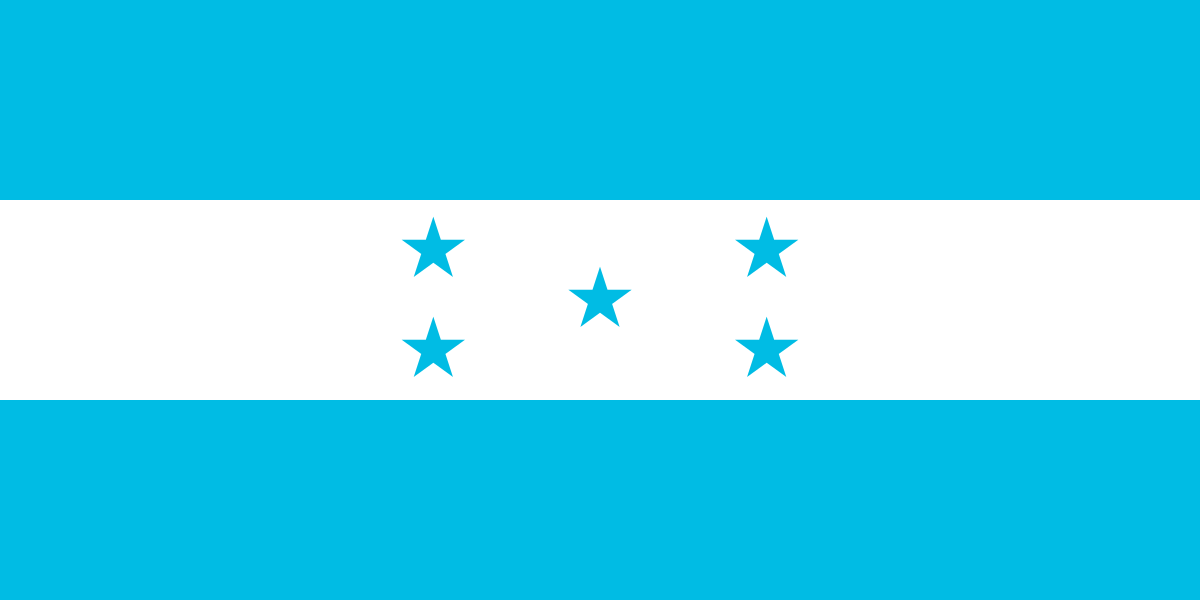
Flag of Honduras

Central America

在Honduras退休

Honduras offers a warm, year-round tropical climate and a notably low cost of living—roughly half the price level of the US. Life expectancy is in the low 70s, and while healthcare coverage is moderate, private care is affordable for those with retirement income. It suits retirees seeking authentic Central American living on a modest budget, though the country requires patience with infrastructure and deliberate choices about where to settle.

货币
HNL
主要语言
Spanish
人口
11M

一览表

生活成本

比美国便宜约54%

国家物价水平与美国相比 · World Bank (PPP ÷ FX rate), 2025

收入(人均GDP,购买力平价)

$7,486

World Bank, 2024

医疗(全民健保指数)

64/100

全民健康覆盖服务指数 · WHO GHO, 2023

预期寿命

73 yrs

World Bank, 2024

生活成本

Honduras is noticeably cheaper than the US—prices run at roughly half the American level. Your dollars stretch furthest on housing, groceries, and local transport; dining out at casual restaurants and markets is especially affordable. Healthcare and utilities are moderate costs. Imported goods and services aimed at expats tend to cost more. Overall, a modest US retirement income can support a comfortable, relaxed life here.

Housing is the biggest win: rents for a comfortable furnished apartment or small house are very affordable, whether in the highlands or coast. Groceries at local markets and supermarkets cost far less than the US; eating local produce and shopping where Hondurans do stretches your budget. Dining out at casual local restaurants is cheap; upscale restaurants and expat-oriented spots cost more but remain moderate by US standards. Local transport (buses, taxis, tuk-tuks) is inexpensive; fuel and car maintenance are reasonable, though car ownership adds fixed costs. Utilities (electricity, water, internet) are moderate—air conditioning in hot seasons raises your electric bill noticeably. Healthcare is a mixed picture: public care is nearly free, private care and insurance are affordable, but imported medications or specialized treatment can be pricier. Leisure and entertainment (going out, hobbies, travel within the region) are budget-friendly. Overall, your money goes furthest on essentials and longest on a modest retirement income.

以国家价格水平(比美国便宜约54%)为基准 — World Bank (PPP ÷ FX rate) 2025。

医疗

Honduras operates a mixed public and private healthcare system. The public system covers residents and offers basic care, though resources are stretched and wait times can be lengthy. Life expectancy stands at 73 years, suggesting reasonable baseline health outcomes. Most foreign retirees supplement public access with private insurance or pay out-of-pocket for private clinics in larger cities, where care is often quicker and English-speaking doctors are easier to find. The healthcare coverage index of 64 indicates moderate system capacity; many expats maintain dual coverage for peace of mind.

As a foreign retiree, you can access Honduras's public healthcare system if you establish residence; many do so by registering at a local clinic or through the pension authority. Public care is free or very low-cost but often involves long waits, limited specialist availability, and resource constraints in rural areas. Most expat retirees rely on private clinics and hospitals in Tegucigalpa, San Pedro Sula, and La Ceiba, where English-speaking doctors are common and care is prompt. Private insurance tailored for expats is readily available and affordable; many combine a basic private plan with public clinic access for routine care. Prescription medications are available at pharmacies without a prescription, making chronic disease management straightforward. Finding an English-speaking primary-care doctor takes some networking—ask other expats or your consulate—but is achievable in cities. Emergency care at private hospitals is reliable. Dental and vision care are affordable and of good quality, especially at private practices. The healthcare coverage index of 64 and life expectancy of 73 suggest a functioning system; most expat retirees report good outcomes with a sensible blend of public and private care.

覆盖指数 64/100 (WHO 2023) · 预期寿命 73 年 (World Bank 2024). 一般信息,非医学建议。

成本健康气候长寿繁荣

五因素概况

每个轴是一个 0–100 分数,源自上述指标和下述气候常态 — 没有手动设置。参见方法论了解确切公式。

  • 可负担性76
  • 医疗64
  • 气候舒适度91
  • 长寿59
  • 繁荣38

气候与季节

Honduras has a tropical climate with warm temperatures year-round and a pronounced rainy season from May to November. Tegucigalpa, the capital in the highlands, is the coolest: January averages 21.8°C and July 23.3°C, with annual rainfall of 1167 mm—making it relatively dry and pleasant. San Pedro Sula on the north coast is warmer, with January at 22.1°C and July at 25.8°C, and 1547 mm annual rainfall. La Ceiba, on the Caribbean coast, is the warmest and wettest: January reaches 24.1°C, July 27.4°C, and rainfall totals 2068 mm annually. Coastal areas are humid; the highlands offer relief. The dry season (December–April) is the most comfortable time to visit or settle, with lower humidity and minimal rain. Hurricane season peaks September–November, particularly affecting coastal regions.

城市年平均值一月七月年降雨量
Tegucigalpa23.2°C21.8°C23.3°C1,167 mm
San Pedro Sula24.7°C22.1°C25.8°C1,547 mm
La Ceiba26.3°C24.1°C27.4°C2,068 mm

Source: NASA POWER (MERRA-2 climatology), long-term climatology.

一年的生活

January through April is the dry season across Honduras—the best time of year. Tegucigalpa in January averages 21.8°C with low rainfall, making mornings cool and pleasant; it's ideal for settling in and exploring. San Pedro Sula is warmer at 22.1°C in January and gets sunnier. La Ceiba, on the Caribbean coast, reaches 24.1°C in January, humid but with less rain—beaches are accessible and water activities appeal. Spring months (February–April) remain dry and comfortable; expats often travel within the region or take advantage of clear skies for outdoor pursuits. May marks the start of the rainy season; afternoon downpours become routine, especially on the coasts. By July, the rains are steady: Tegucigalpa averages 23.3°C with regular moisture, San Pedro Sula reaches 25.8°C with heavy rainfall inland, and La Ceiba hits 27.4°C with intense tropical precipitation. This is the green season—lush and vibrant, but humidity rises and travel can be disrupted by flooding or landslides. August–September bring continued rains and early hurricane season risk, particularly threatening coastal areas like La Ceiba. October and November are the tail end of the rainy season; conditions improve but storms linger. By December, rain tapers off and temperatures cool slightly, signaling the return of the dry season. Most retirees adjust their rhythms to the seasons: staying put or exploring inland during the rains, taking day trips and socializing when weather is dry, and potentially leaving for cooler climates or visiting family during the hottest, wettest months if they choose.

城市深度解析

Tegucigalpa, the capital high in the mountains, offers cooler weather, cultural institutions, and a working-city rhythm with a modest expat presence; it suits those seeking authentic urban life and access to government services. San Pedro Sula, the industrial hub on the northern coast, is hotter and more humid but has the best shopping, restaurants, and business infrastructure; it's busier and noisier, appealing to those wanting modern amenities. La Ceiba, on the Caribbean coast, is a laid-back beach town with easy access to the Bay Islands, rainforest, and water activities; it's smaller, warmer, and wetter, ideal for retirees wanting a tropical, relaxed vibe. The Bay Islands (Roatán, Utila) are remote, English-speaking, tourism-focused havens popular with expats seeking island life and excellent diving. Each offers a different retirement flavor depending on your comfort with heat, expat density, and urban bustle.

退休签证途径

无专门退休签证

Honduras offers a pensioner/retiree residence permit for foreign nationals with a stable income stream. You'll typically need to show proof of a regular pension or income from abroad—verify the current threshold with the immigration authority, as amounts change. The process generally involves applying through a Honduran consulate in your home country, submitting financial documentation, a passport, and police and medical clearances. Once approved for the entry visa, you enter the country and convert it to a formal residence permit at the immigration office. This pathway leads toward permanent residence after meeting residency periods. Start by contacting your nearest Honduran consulate or embassy, then consult the official government immigration portal for the current requirements and forms.

逐步说明

First, gather proof of regular income (pension statement, bank letters) and obtain police and medical clearances from your home country. Contact your nearest Honduran embassy or consulate and request the pensioner/retiree residence application packet; verify the current income threshold (amounts change, so confirm current figures with the embassy). Complete the forms, compile your documents, and submit them at the consulate along with your passport. Attend any required biometrics or consular interview. Once approved, receive your entry visa. Travel to Honduras and present your visa at immigration upon arrival. Within days or weeks, visit the immigration office (Dirección General de Migración) to convert your entry visa into a formal resident ID card. Maintain your income documentation and residency status, and renew your permit on the prescribed schedule—typically annually at first, progressing toward permanent residence after a set period. For current procedures, forms, and exact timelines, consult the official government immigration portal and your nearest Honduran consulate.

已验证的官方来源: inm.gob.hn

由官方资源草拟的AI内容 · 待人工审核 · 草拟于 2026-07

税务

Honduras generally does not tax the worldwide income of non-residents; retirees who establish residence but remain 'foreign tax residents' often enjoy favorable treatment on foreign-sourced income like pensions and international investments. However, this depends on your specific residency status, length of stay, and any Honduran-source income. Tax treaties between Honduras and your home country also matter. The rules are complex and vary case by case. Before moving, consult a cross-border tax professional who understands both Honduran and your home country's tax code to confirm your obligations.

安全与旅游警告

Check your government's current travel advisory for Honduras before deciding, as conditions change and vary by region. Honduras has a reputation for gang violence and property crime, particularly in cities like Tegucigalpa and San Pedro Sula, though expats often live safely in well-established residential neighborhoods and tourist areas by exercising normal precautions. Petty theft and armed robbery do occur; avoid displaying valuables, don't travel alone after dark in unfamiliar areas, and use registered taxis or ride-apps. La Ceiba and smaller towns tend to feel calmer. Healthcare emergencies and natural disasters (hurricanes, flooding) are also worth preparing for. Common sense, local awareness, and choosing your neighborhood carefully make a real difference.

在这里退休是什么样的

Life in Honduras moves at a slower pace than the US, with an emphasis on family, community, and outdoor living. Spanish is the everyday language; English is spoken in tourist zones and among educated expats, but learning basic Spanish enriches daily interaction and respect goes far. The expat community is present but not overwhelming, especially outside the Bay Islands; you'll meet retirees and digital nomads in cafés and social groups. Getting around in cities relies on local buses (cheap but crowded), taxis, tuk-tuks, and increasingly ride-apps; a car is useful outside urban centers. Grocery shopping mixes modern supermarkets with colorful markets where haggling is normal. Cultural activities center on festivals, church life, and outdoor recreation—beaches, hiking, colonial towns. Adjustment takes patience: bureaucracy moves slowly, infrastructure can be unreliable, and tropical living requires acceptance of heat, humidity, and occasional power outages.

通常适合: Retirees comfortable with Spanish, drawn to warm weather and low costs, who can navigate a less-developed healthcare system and are willing to do thorough research on safe neighborhoods.

常见问题

在Honduras退休要花多少钱?
Honduras的总体生活成本为比美国便宜约54%(World Bank PPP购买力平价水平)。 Honduras is noticeably cheaper than the US—prices run at roughly half the American level. Your dollars stretch furthest on housing, groceries, and local transport; dining out at casual restaurants and markets is especially affordable.
Honduras的医疗保健如何?
Honduras在WHO全民医疗保障指数上得分为64/100。 Honduras operates a mixed public and private healthcare system. The public system covers residents and offers basic care, though resources are stretched and wait times can be lengthy.
Honduras的气候如何?
Honduras全年平均气温为23.2°C,范围从21.3°C到26°C(NASA POWER常年数据)。 Honduras has a tropical climate with warm temperatures year-round and a pronounced rainy season from May to November. Tegucigalpa, the capital in the highlands, is the coolest: January averages 21.8°C and July 23.3°C, with annual rainfall of 1167 mm—making it relatively dry and pleasant.
Honduras提供什么退休或长期居留签证?
Honduras does not have a formal dedicated retirement visa program. However, the country offers long-stay residence options through the general immigration system, typically requiring proof of stable income or savings—consult the nearest Honduran embassy or consulate for current requirements and application procedures. Eligibility is determined by the official immigration authority based on their current criteria.
Honduras对退休人士安全吗?
Check your government's official travel advisory for Honduras before deciding; crime and security vary significantly by region, and you should research specific neighborhoods with current local and official guidance.
如果我在Honduras退休,我需要缴税吗?
Honduras taxes worldwide income for residents, though pensioners and retirees may have certain exemptions—consult a tax professional specializing in expat affairs before moving.
本概况是研究辅助工具,不构成移民、税务或财务建议。数据为国家级别,附带来源和年份;签证和生活方式摘要由AI从官方页面草拟,待人工审核。在采取行动前,请务必核实官方政府来源和具有资质的专业人士的信息。