Northern Europe
Im Ruhestand in Finland
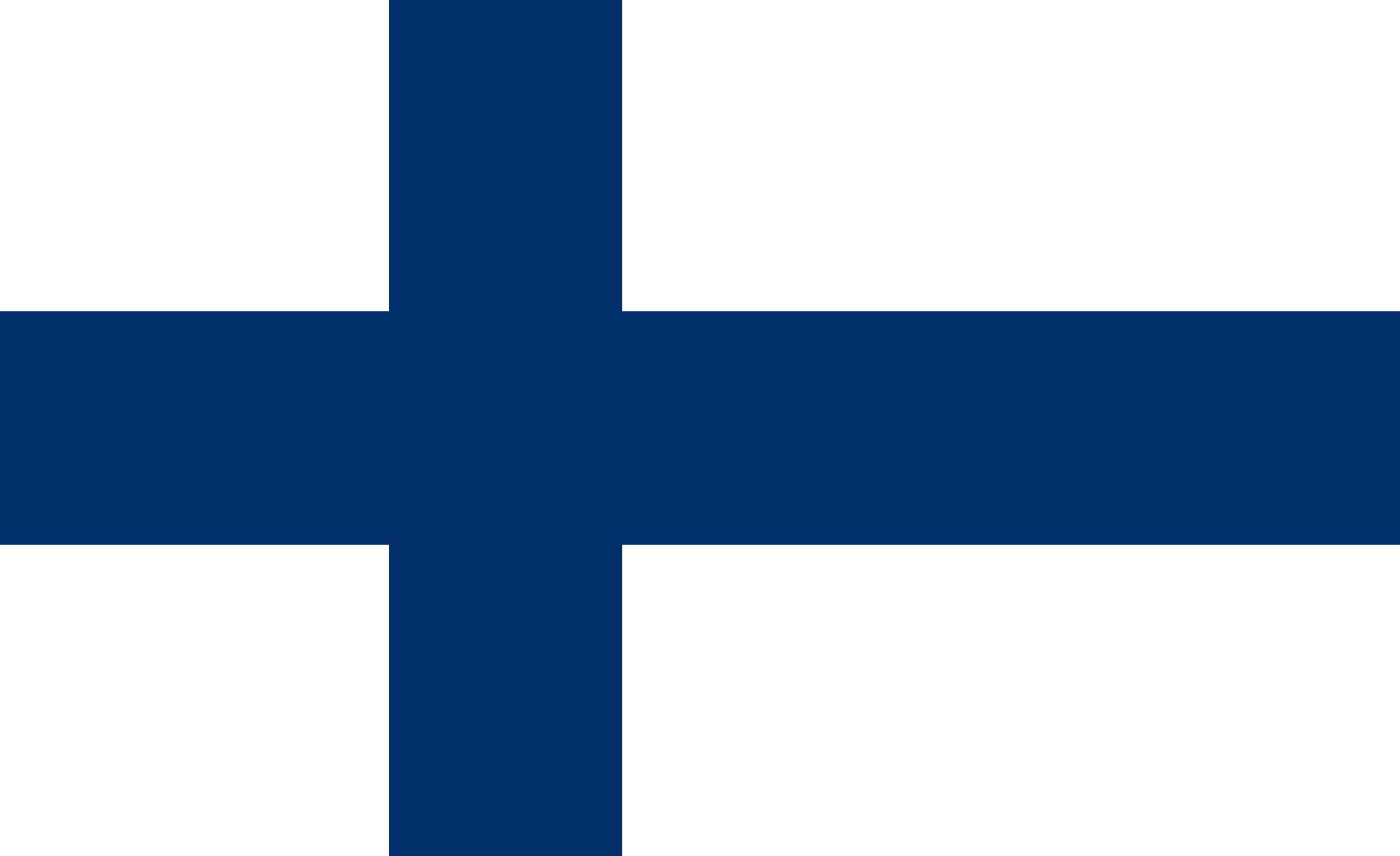
Finnland bietet ein hohes Einkommensniveau, eine wohlgeordnete nordische Lebensweise mit ausgezeichnetem Gesundheitswesen und hoher Lebenserwartung, wobei die Winter kalt sind und die Lebenshaltungskosten leicht unter dem US-Niveau liegen. Es eignet sich für Rentner, die Stabilität, starke öffentliche Dienste und ein gemessenes Tempo in einer kulturell reichen und sicheren Gesellschaft schätzen.
- Währung
- EUR
- Hauptsprache
- Finnish
- Bevölkerung
- 6M
Auf einen Blick
Lebenshaltungskosten
~18% günstiger als in den USA
nationales Preisniveau im Vergleich zu den USA · World Bank (PPP ÷ FX rate), 2025
Wie sich die Zahlen entwickelt haben
Finnlands wirtschaftlicher Wohlstand ist im vergangenen Jahrzehnt stetig gewachsen. Das BIP pro Kopf (KKP, internationale Dollar) stieg von 38.946 im Jahr 2010 auf 65.378 im Jahr 2024, mit konsistenter Aufwärtsbewegung, obwohl Wachstum um 2011–2013 leicht pausierte und sich ab 2016 beschleunigte. Die Lebenserwartung ist auch graduell gestiegen, von 79,9 Jahren im Jahr 2010 auf 82,3 Jahre im Jahr 2024, ein Gewinn von 2,4 Jahren über den Zeitraum, was verbesserte Gesundheitsergebnisse und Gesundheitswesen-Qualität anzeigt. Die Bevölkerung ist bescheiden gewachsen, von 5.388.272 im Jahr 2011 auf 5.646.436 im Jahr 2025, ein stetiger Anstieg, der Netto-Einwanderung und Bevölkerungsstabilität widerspiegelt. Zusammen signalisieren diese Trends ein Land, das wohlhabender, gesünder und attraktiver wird – ein beruhigendes Bild für einen Rentner, der einen Umzug erwägt.
Mehrjährige Reihe der Weltbank — die gleichen Indikatoren wie oben, im Zeitverlauf.
Lebenshaltungskosten
Finnland ist insgesamt deutlich günstiger als die Vereinigten Staaten, mit einem Preisniveau etwa 18% unter dem US-Durchschnitt. Ihr Geld reicht am weitesten bei Wohnraum außerhalb der Stadtzentren und bei Lebensmitteln, wo nordische Supermärkte wettbewerbsfähige Preise bieten. Restaurantbesuche und Freizeitaktivitäten sind teurer, und Verkehr ist zwar effizient, trägt aber skandinavische Kosten. Gesundheitswesen wird weitgehend durch Steuern subventioniert, daher sind Eigenausgaben für Einwohner gering.
Wohnkosten sind moderat außerhalb von Stadtzentren (Helsinki-Mieten sind höher; kleinere Städte und Vororte sind deutlich günstiger); Liegenschaftskauf ist für diejenigen mit Ersparnissen möglich, obwohl Preise gestiegen sind. Lebensmittel sind erschwinglich, mit guter Qualität bei wettbewerbsfähigen Preisen in Supermärkten; Spezialprodukte (importierte Waren) kosten mehr. Essen gehen ist relativ teuer – Restaurants, Cafés und Bars haben skandinavische Preisschilder; zu Hause kochen ist, wo Sie erheblich sparen. Öffentliche Verkehrsmittel (Busse, Straßenbahnen, Züge) sind zuverlässig und günstig bepreist; eine Monatskarte ist erschwinglich, und Autoeigentum verursacht Versicherungs-, Treibstoff- und Winterwartungskosten. Versorgungsleistungen (Heizung, Elektrizität, Wasser) sind höher als in vielen Ländern aufgrund von Klima und nordischen Arbeitskosten, obwohl kommunale Heizung effizient ist. Gesundheitswesen ist stark subventioniert; öffentliche Versorgungsbesuche haben kleine Zuzahlungen, und Rezepte sind kostengünstig. Private Versicherungsprämien (falls gewählt) sind in Ihrem Alter moderat. Freizeitaktivitäten – Fitnessmitgliedschaften, Kulturveranstaltungen, Hobbys – stimmen mit oder sind leicht über US-Kosten. Insgesamt ist ein bescheidenes Dasein (öffentliche Verkehrsmittel, Heimkochen, öffentlicher Gesundheitswesen, kleinere Stadt oder Vorort) deutlich günstiger als die USA; ein komfortableres Dasein (Essen gehen, Privatversorgung, Autoeigentum, Stadtzentrum-Wohnen) nähert sich oder gleicht US-Ausgaben.
Verankert am nationalen Preisniveau (~18% günstiger als in den USA) — World Bank (PPP ÷ FX rate) 2025.
Gesundheitswesen
Finnland betreibt ein gemischtes öffentlich-privates System mit einem Gesundheitsversicherungsindex von 86, was starke öffentliche Versorgung widerspiegelt. Die Lebenserwartung von 82,3 Jahren spiegelt die Qualität der verfügbaren Versorgung wider. Einwohner und Rentner erhalten typischerweise öffentliche Versorgung durch kommunale Gesundheitszentren und Krankenhäuser, die umfassend und kostengünstig sind. Viele ausländische Rentner unterhalten auch private Krankenversicherung, um die öffentliche Versorgung zu ergänzen und schnellere Termine oder spezialistisches Angebot zu erhalten; Privatversorgung ist in größeren Städten leicht verfügbar. Englischsprachige Ärzte zu finden ist in Helsinki und anderen städtischen Zentren unkompliziert.
Als ausländischer Rentner, der Aufenthalt in Finnland etabliert, werden Sie im öffentlichen Gesundheitswesen registriert, sobald Sie eine Aufenthaltserlaubnis haben und bei Ihrer lokalen Gemeinde registriert sind. Das öffentliche System ist umfassend: Primärversorgung wird durch kommunale Gesundheitszentren (terveysasema) bereitgestellt, wo Sie sich bei einem Hausarzt registrieren können; Fachversorgung, Krankenhausbehandlung und Rezepte sind auf subventionierter Basis erreichbar. Besuche beim Hausarzt verursachen kleine Zuzahlungen (genaue Höhe variiert nach Gemeinde), und Rezeptkosten sind gering. Öffentliche Zahnmedizin existiert, aber hat oft Wartelisten; viele Rentner nutzen Privatversorgung, die nach westlichen Standards erschwinglich ist. Wartezeiten für nicht-dringende Fachversorgung können mehrere Wochen bis wenige Monate dauern; dringende Versorgung ist priorisiert. Viele ausländische Rentner unterhalten private Krankenversicherung (durch Arbeitgeber, Expat-Versicherer oder finnische Privatversicherer), um öffentliche Versorgung zu ergänzen, schnellere Termine zu erhalten, Spezialisten zu wählen und Dienste abzudecken, die nicht vollständig öffentlich abgedeckt sind (wie Premiumzahnmedizin oder Physiotherapie). Englischsprachige Ärzte sind verbreitet in Helsinki und größeren Städten; in kleineren Orten sprechen medizinische Fachkräfte oft Englisch, können aber weniger fließend sein. Rezeptmedikamente sind weit verfügbar und erschwinglich; Apotheken sind gut sortiert und professionell. Psychische Gesundheitsdienste sind durch das öffentliche System verfügbar, obwohl Wartezeiten länger sein können; private Beratung und Therapie sind auch erreichbar. Der Gesundheitsversicherungsindex von 86 spiegelt dieses gemischte, aber robuste System – öffentliche Versorgung ist stark, private Optionen sind erreichbar, und Eigenkosten für Rentner sind grundsätzlich handhabbar.
Abdeckungsindex 86/100 (WHO 2023) · Lebenserwartung 82.3 Jahre (World Bank 2024). Allgemeine Informationen, keine medizinische Beratung.
Das Fünf-Faktoren-Profil
Jede Achse ist eine 0–100-Punktzahl, die sich aus den oben genannten Quellindikatoren und den unten stehenden Klimanormalen ergibt — nichts ist manuell festgelegt. Siehe die Methodik für die genauen Formeln.
- Erschwinglichkeit38
- Gesundheitswesen86
- Klimakomfort21
- Langlebigkeit89
- Wohlstand82
Klima & Jahreszeiten
Finnland hat ein kontinentales Klima mit vier ausgeprägten Jahreszeiten und merklicher jahreszeitlicher Schwankung. In Helsinki liegt der Januardurchschnitt bei −2,9 °C mit kurzem Tageslicht, während Juli 17,6 °C erreicht mit langen, hellen Abenden; die jährliche Niederschlagsmenge beträgt 712 mm, gleichmäßig über das Jahr verteilt. Tampere im Inland ist kälter – Januar sinkt auf −7,9 °C, Juli erreicht 17,4 °C, und der jährliche Niederschlag beträgt 775 mm, was Winter schneereich macht. Turku an der Küste liegt dazwischen: Januar −4,7 °C, Juli 17,7 °C, 722 mm jährlicher Niederschlag. Winter sind dunkel und verschneit (etwa November bis März), Frühjahre sind kurz und matschig, Sommer sind kühl und leuchtend (Mitternachtssonne im hohen Norden), und Herbst werden knackig und farbig. Die meisten Rentner finden Sommer angenehm für Außenleben und Reisen, und Winter im Süden machbar – aber die dunkle Jahreszeit erfordert mentale Vorbereitung.
| Stadt | Jahresmittelwert | Januar | Juli | Niederschlag / Jahr |
|---|---|---|---|---|
| Helsinki | 6,4°C | -2,9°C | 17,6°C | 712 mm |
| Tampere | 4,3°C | -7,9°C | 17,4°C | 775 mm |
| Turku | 5,7°C | -4,7°C | 17,7°C | 722 mm |
Quelle: NASA POWER (MERRA-2 climatology), long-term climatology.
Ein Jahr im Leben
Januar bringt tiefsten Winter in alle drei Städte: Helsinki durchschnittlich −2,9 °C, Tampere −7,9 °C, Turku −4,7 °C – erwarten Sie Schnee, Eis und kurzes Tageslicht (etwa 6 Stunden im Süden), aber knackige, klare Winterschönheit und ausgezeichnete Langlaufmöglichkeiten. Februar bleibt dunkel und kalt, eine Zeit, wenn viele Rentner das mentale Gewicht von Winter spüren und südliche Reisen oder Innenpraktiken suchen. März verlängert graduell Tageslicht; Schnee beginnt in Frühjahr zu schmelzen, wobei Landschaften matschig und grau werden – ein Übergangmonat, den viele trostlos finden. April und Mai bringen rasches Aufwärmen und Ergrünung; Tageslicht verlängert sich dramatisch, und Außenenergie kehrt zurück – ideal zum Wandern, Gärtnern und Reisen. Juni ist leuchtend und mild, mit Mitternachtssonne im hohen Norden und sehr langem Tageslicht auch im Süden; Sommerhüttensaison beginnt, und Außenleben ist auf seinem Höhepunkt. Juli ist der wärmste Monat (Helsinki 17,6 °C, Tampere 17,4 °C, Turku 17,7 °C) und der sozialste – Festivals, Reisen, Schwimmen in Seen, Außenessen und kontinuierliches Tageslicht schaffen eine expansive, freudige Atmosphäre; viele Finnen ziehen sich zu Sommerhütten zurück. August bleibt warm und hell, beginnt aber die langsame Wende zum Herbst; frühe Herbstfarben erscheinen, und der Lebensrhythmus verlangsamt sich graduell. September und Oktober kühlen merklich ab; Herbstlaub ist atemberaubend, und die Saison fühlt sich nachdenklich an – gut für Museen, Lesen und kürzeres, geselliges Tageslicht. November bringt Dunkelheit früher, erste Fröste und die Annäherung von Winter – ein melancholischer Monat der Vorbereitung. Dezember ist dunkel aber festlich: Weihnachtsmärkte, Feierlichtskulisse, Wintersport und soziale Versammlungen schaffen Wärme drinnen; Schneefall kommt oft an, vervollständigt die Winterlandschaft. Für Rentner ermutigt Sommer (Juni–August) zu Reisen, Außenaktivitäten und sozialem Engagement; Winter (November–Februar) erfordert absichtliche Gemeinschaft, Hobbys und manchmal Aufmerksamkeit für mentale Gesundheit, aber bietet gemütliche Innenkultur und Wintersport für diejenigen, die ihn annehmen.
Die Städte im Detail
Helsinki, die Hauptstadt, liegt an der Ostseeküste und mischt skandinavische Moderne mit bohemischem Charakter; es ist begehbar, kulturell lebhaft, teurer, und Heimat vieler Expats und Englischsprachiger – gut für diejenigen, die städtische Annehmlichkeiten und Gemeinschaft suchen. Tampere, landeinwärts und etwas kleiner, hat jugendliche, kreative Energie und niedrigere Lebenshaltungskosten; es ist von Seen und Wäldern umgeben, ansprechend für diejenigen, die eine ruhigere Stadt mit starker lokaler Kultur bevorzugen. Turku an der Südwestküste ist Finnlands älteste Stadt, mit entspanntem, maritimem Charakter und charmanter Altstadt; es zieht Rentner an, die Geschichte, Küstenleben und langsameres Tempo als Helsinki, aber mehr Dynamik als kleinere Orte suchen.
Rentnervisum-Weg
Finnland bietet eine Aufenthaltserlaubnis für Rentner (und andere, die längerfristige Aufenthalte anstreben) über sein allgemeines Aufenthaltserlaubnissystem, das Teil des EU-Rahmens ist. Sie müssen einen Nachweis stabilen Einkommens oder von Ersparnissen erbringen, die ausreichen, um sich zu versorgen, ohne eine Last für öffentliche Dienste zu werden (überprüfen Sie den aktuellen Schwellenwert bei Ihrem nächsten Konsulat, da Anforderungen sich ändern). Der Prozess beinhaltet einen Antrag bei der Finnish Immigration Service, typischerweise beginnend bei Ihrer nächsten finnischen Botschaft oder Ihrem Konsulat in Ihrem Heimatland. Die Bearbeitung dauert mehrere Monate und erfordert Einkommensunterlagen, Krankenversicherungsnachweis und eine Führungszeugnisabschrift. Sind Sie genehmigt, betreten Sie Finnland mit D-Visum und konvertieren zu einer Aufenthaltserlaubnis beim lokalen Immigrationsbüro. Erlaubnisse sind erneuerbar, und nach kontinuierlichem Aufenthalt können Sie sich möglicherweise für permanente Aufenthaltserlaubnis qualifizieren. Konsultieren Sie das offizielle Portal der Finnish Immigration Service und Ihr nächstes Konsulat für aktuelle Einkommensschwellenwerte, erforderliche Unterlagen und Zeitpläne.
Schritt für Schritt
1. Unterlagen sammeln: Nachweis stabilen Einkommens oder von Ersparnissen (etwa der aktuelle Schwellenwert; mit Ihrem Konsulat überprüfen), Nachweis umfassender Krankenversicherung, eine Führungszeugnisabschrift aus Ihrem Heimatland und Unterkunftsnachweis in Finnland. 2. Bei der finnischen Botschaft oder dem Konsulat in Ihrem Heimatland einen Aufenthaltserlaubnisantrag mit Gebührenentrichtung einreichen; beglaubigte Kopien aller Unterlagen vorlegen. 3. Konsulatstermin wahrnehmen (falls erforderlich) für biometrische Daten und Bestätigung Ihres Antrags. 4. Auf Bearbeitung warten – typischerweise mehrere Monate – während die Finnish Immigration Service Ihre Akte prüft. 5. D-Visum (Langzeitvisum) nach Genehmigung erhalten, üblicherweise gültig für Einreise innerhalb einer festgelegten Frist. 6. Nach Finnland reisen und innerhalb von zwei Wochen nach Ankunft Ihre Aufenthaltserlaubnis beim lokalen Immigrationsbüro registrieren (migri.fi oder Büro Ihrer Gemeinde). 7. Endgültige Anforderungen im Land erfüllen (Aufenthaltsregistrierung, Gemeinderegistrierung, Steuerregistrierung). 8. Finnische Aufenthaltserlaubniskarte erhalten. 9. Erneuerung planen: Aufenthaltserlaubnisse werden typischerweise zunächst für ein bis zwei Jahre gewährt; beantragen Sie Erneuerung gut vor Ablauf. Nach einer Periode kontinuierlichen Aufenthalts (üblicherweise vier bis fünf Jahre) können Sie sich möglicherweise für permanente Aufenthaltserlaubnis bewerben. Konsultieren Sie das offizielle Portal der Finnish Immigration Service für aktuellste Anforderungen, Zeitpläne und Einkommensschwellenwerte, und kontaktieren Sie Ihr nächstes finnisches Konsulat für Antragsanleitung – Anforderungen und Bearbeitungszeiten ändern sich regelmäßig.
Verifizierte offizielle Quelle: migri.fi
KI-Entwurf aus offiziellen Quellen · ausstehende Überprüfung durch Mensch · entworfen 2026-07
Steuern
Finnland besteuert Einwohner auf weltweites Einkommen, einschließlich ausländischer Renteneinkommen und Kapitalanlagen. Ausländische Rentner, die Steuerwohnsitz in Finnland etablieren, unterliegen grundsätzlich finnischer Einkommensteuer auf globales Einkommen, obwohl bilaterale Steuerverzichte (Finnland hat viele) Doppelbesteuerung verhindern und bestimmen können, welches Land spezifische Einkommensquellen besteuert. Renteneinkommen ist steuerpflichtig, und Kapitalerträge unterliegen je nach Situation Steuer. Die Besonderheiten hängen stark von Ihrer Staatsbürgerschaft, früherer Wohnsituation, Verzichtstatus und Einkommensquelle ab. Sie sollten einen länderübergreifenden Steuerberater mit Vertrautheit in finnischem Steuerrecht und Ihrem Heimatland konsultieren, bevor Sie umziehen, da frühe Planung Ihre Steuerposition erheblich beeinflussen kann.
Sicherheit & Reisewarnungen
Finnland gehört zu Europas sichersten Ländern mit niedriger Gewaltskriminalität, zuverlässigen Notfalldiensten und einer Kultur von Ordnung und zivilem Vertrauen. Kleinkriminalität ist selten, und das tägliche Leben – auch im Winterdunkel – fühlt sich sicher an. Verkehrssicherheit ist hoch, öffentliche Verkehrsmittel sind zuverlässig, und Gesundheitswesen ist erreichbar. Für ältere Erwachsene ist die Hauptgesundheitssorge der lange, dunkle Winter, der Stimmung und Mobilität beeinflussen kann; aktiv und sozial bleiben hilft, dies zu mildern. Winterwetter erfordert Vorsicht: vereiste Bedingungen erfordern angemessenes Schuhwerk und Fahrvorsicht. Konsultieren Sie die offizielle Reisewarnung Ihrer Regierung für das aktuelle Bild und regionsspezifische Hinweise.
Wie es sich hier zu leben anfühlt
Das Leben in Finnland verläuft in gemessenem, überlegtem Tempo. Die Kultur schätzt Ruhe, persönlichen Raum und Direktheit gegenüber Smalltalk – was viele erfrischend finden, kann sich für diejenigen aber reserviert anfühlen, die Wärme erwarten. Finnen sind privat, aber zuverlässig; Freundschaften vertiefen sich langsam, aber halten. Expat-Gemeinschaften existieren in Helsinki und anderen Städten, und Englisch wird unter jüngeren Finnen und in professionellen Kontexten weit gesprochen, obwohl Finnischlernen Türen öffnet und geschätzt wird. Herumlaufen ist leicht: ausgezeichnete öffentliche Verkehrsmittel (Busse, Züge, Straßenbahnen), günstiges und sicheres Radfahren, und begehbare Stadtzentren bedeuten, Sie benötigen kein Auto, obwohl eines zum Erkunden der Landschaft nützlich ist. Rentnerdasein dreht sich oft um Hobbys (Sauna, Wandern, Langlauf im Winter), Kulturaktivitäten (Theater, Musik, Design) und Erhaltung sozialer Verbindungen – das lange Tageslicht des Sommers ermutigt zu Außenleben, während Winter zu Innenpraktiken, Saunen und Hüttenzeit einlädt. Die Sprache ist herausfordernd aber bereichernd; viele Dienste und Gemeinschaften funktionieren glücklich auf Englisch, doch echter Aufwand zum Finnischlernen vertieft Integration.
Passt typischerweise zu: Rentner, die mit kalten Wintern und Leben in höheren Breitengraden zufrieden sind und umfassendes Gesundheitswesen, niedrige Korruptionsraten und nordische soziale Stabilität gegenüber warmem Rentnerdasein bevorzugen.
Häufig gestellte Fragen
- Wie viel kostet es, in Finland in den Ruhestand zu gehen?
- Die Gesamtlebenshaltungskosten in Finland sind ~18% günstiger als in den USA (World Bank PPP-Preisniveau). Finnland ist insgesamt deutlich günstiger als die Vereinigten Staaten, mit einem Preisniveau etwa 18% unter dem US-Durchschnitt. Ihr Geld reicht am weitesten bei Wohnraum außerhalb der Stadtzentren und bei Lebensmitteln, wo nordische Supermärkte wettbewerbsfähige Preise bieten.
- Wie ist das Gesundheitswesen in Finland?
- Finland erreicht 86/100 beim WHO-Index für universelle Gesundheitsversorgung. Finnland betreibt ein gemischtes öffentlich-privates System mit einem Gesundheitsversicherungsindex von 86, was starke öffentliche Versorgung widerspiegelt. Die Lebenserwartung von 82,3 Jahren spiegelt die Qualität der verfügbaren Versorgung wider.
- Wie ist das Klima in Finland?
- Finland hat das ganze Jahr über einen Durchschnitt von 6,4°C, mit einer Spanne von -3,9°C bis 17,6°C (NASA POWER Normalwerte). Finnland hat ein kontinentales Klima mit vier ausgeprägten Jahreszeiten und merklicher jahreszeitlicher Schwankung. In Helsinki liegt der Januardurchschnitt bei −2,9 °C mit kurzem Tageslicht, während Juli 17,6 °C erreicht mit langen, hellen Abenden; die jährliche Niederschlagsmenge beträgt 712 mm, gleichmäßig über das Jahr verteilt.
- Welches Renten- oder Langzeitvisum bietet Finland?
- Finnland verfügt nicht über ein spezielles Rentnervisaprogramm. Rentner streben in der Regel eine Aufenthaltserlaubnis unter der allgemeinen Kategorie für längerfristige Aufenthalte an, die üblicherweise einen Nachweis ausreichender Mittel (wie Renteneinkommen oder Ersparnisse) erfordert, um sich ohne Arbeit zu versorgen. EU/EWR-Bürger haben Freizügigkeit; Nicht-EU-Bürger sollten sich bei der Finnish Immigration Service (Migri) nach den spezifischen Finanz- und Dokumentationsanforderungen für eine Aufenthaltserlaubnis erkundigen.
- Ist Finland sicher für Rentner?
- Konsultieren Sie die offizielle Reisewarnung Ihres Heimatlandes für Finnland, um aktuelle Sicherheits- und Gesundheitsinformationen zu erhalten.
- Muss ich Steuern zahlen, wenn ich in Finland in den Ruhestand gehe?
- Finnland besteuert für Einwohner das weltweite Einkommen; konsultieren Sie einen Steuerberater in beiden Ländern (Ihrem Heimatland und Finnland), um Ihre Verpflichtungen und mögliche Abkommensvorteile zu verstehen.
Wo Sie weiter schauen sollten
Mehr in Northern Europe

Ähnliche Lebenshaltungskosten