
Middle East
Jubilarse en Qatar
Qatar offers a high standard of living with excellent healthcare and a stable, modern infrastructure—all at a cost level significantly below the US. The climate is hot and dry, with intense summers, but air conditioning is ubiquitous. Life expectancy here is among the world's highest, reflecting strong healthcare and safety standards.
- Moneda
- QAR
- Idioma principal
- Arabic
- Población
- 3M
De un vistazo
Costo de vida
~44% más barato que EE.UU.
nivel de precios nacional vs EE.UU. · World Bank (PPP ÷ FX rate), 2025
Cómo han evolucionado los números
Qatar's wealth per capita peaked in 2012 at 180,939 international dollars. By 2011, it was 174,620; the subsequent decline continued through the 2010s, dropping to 148,389 by 2014, then falling sharply to 82,149 in 2020 (pandemic year). Recovery began thereafter: 107,503 in 2019, rising to 129,368 in 2023, then settling at 126,046 in 2024. This volatility reflects oil-price swings and post-World Cup 2022 spending. Life expectancy has been rising steadily: from 79.4 years in 2010 to 82.5 in 2024—an encouraging signal of improving health outcomes. Population has grown substantially: from 1.6 million in 2011 to nearly 3 million in 2025, reflecting large-scale expat and migrant worker inflows. For a retiree, the wealth decline is noteworthy but healthcare gains are positive; the population boom means more infrastructure investment but also more congestion.
Series plurianuales del World Bank — los mismos indicadores que arriba, a lo largo del tiempo.
Costo de vida
Qatar is noticeably cheaper than the US overall—at roughly 56% of US price levels—but the savings are uneven. Housing in desirable expat neighbourhoods (Doha, Al Rayyan, West Bay) tends to be expensive; utilities and fuel are very affordable; groceries sit somewhere in the middle depending on whether you shop local markets or imported goods; dining out ranges from inexpensive local restaurants to pricey international venues. For most retirees, the real savings come in utilities, transport fuel, and healthcare costs; housing remains the largest budget item.
Housing is your largest expense—rents for expat-suitable apartments and villas in Doha, Al Rayyan, and Al Wakrah are moderate to high, though less pricey than major US cities; furnished short-term rentals are available for trying the lifestyle first. Groceries are affordable, especially at local souks and budget supermarkets; imported Western foods cost more. Dining out ranges widely—cheap local meals are very inexpensive; international restaurants are pricier. Transport (car rental, fuel, taxis, ride-share) is affordable compared to the US; petrol is cheap. Utilities (electricity, water, internet) are very affordable. Healthcare costs are low for residents accessing public facilities; private care and insurance premiums are moderate. Leisure (clubs, entertainment, travel) varies widely depending on your choices, but the range is reasonable. Overall, a retiree can live comfortably on a modest budget, with housing as the primary variable.
Anclado al nivel de precio nacional (~44% más barato que EE.UU.) — World Bank (PPP ÷ FX rate) 2025.
Sanidad
Qatar operates a dual public–private healthcare system with strong infrastructure and a coverage index of 84. Life expectancy stands at 82.5 years, reflecting good overall care. Expatriates and residents can access both public facilities (subsidized for residents holding a valid ID) and a robust private sector; most retirees combine the two—relying on public care for routine needs and private insurance or out-of-pocket private care for specialist services and faster access. English is widely spoken in hospitals and clinics. Prescription medications are available and affordable through both systems.
Foreign retirees in Qatar typically access care through a mix of public and private providers. If you obtain residency, you can register with public hospitals and clinics (subsidized for residents with valid ID), though wait times for non-emergency procedures can be longer and English-language signage is variable outside major hubs. Most expat retirees purchase private health insurance (widely available from local and international insurers) or use private clinics and hospitals directly, which offer faster access, English-speaking staff, and modern facilities. Finding an English-speaking doctor is straightforward in Doha and Al Rayyan; private practitioners cater heavily to expats. Prescription medications are stocked in pharmacies across the country and are affordable. Dental and vision care are available privately and often not covered by basic public plans. Emergency care is reliable and accessible. For ongoing chronic-disease management, many retirees build relationships with private GPs and use public facilities selectively (e.g., for routine lab work or subsidized medications). The healthcare coverage index of 84 and life expectancy of 82.5 reflect solid infrastructure and outcomes.
Índice de cobertura 84/100 (WHO 2023) · esperanza de vida 82.5 años (World Bank 2024). Información general, no es consejo médico.
El perfil de cinco factores
Cada eje es una puntuación de 0–100 derivada de los indicadores obtenidos arriba y los normales climáticos abajo — nada se ha establecido manualmente. Consulta la metodología para ver las fórmulas exactas.
- Asequibilidad65
- Sanidad84
- Comodidad climática56
- Longevidad89
- Prosperidad96
Clima y estaciones
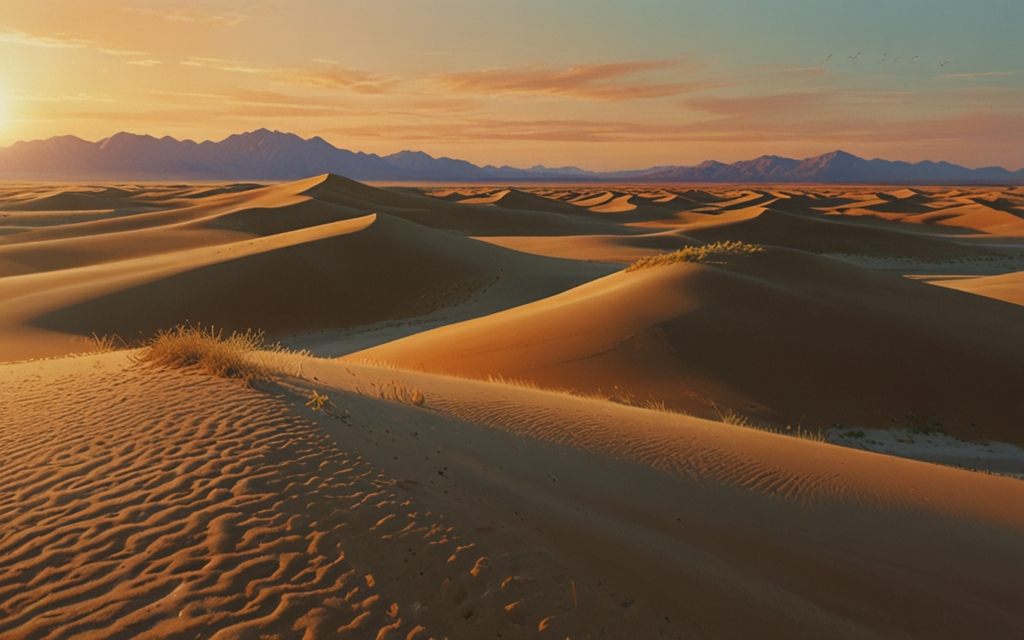
Qatar is hot and arid year-round. Doha and Al Rayyan experience mild winters (January average 17.5°C / 63°F) and scorching summers (July average 36.1°C / 97°F), with virtually no rain (41 mm annually). Al Wakrah, on the coast south of Doha, is marginally cooler in summer (July 34.2°C / 93°F) and receives slightly more rain (68 mm), but remains desert-dry. From June through September, daytime heat regularly exceeds 40°C (104°F) and many retirees retreat indoors or leave the country; spring (March–May) and autumn (October–November) are the pleasant seasons when outdoor life resumes. Winter (December–February) is genuinely comfortable for walking and outdoor activity.
| Ciudad | Media anual | Enero | Julio | Lluvia / año |
|---|---|---|---|---|
| Doha | 27,8°C | 17,5°C | 36,1°C | 41 mm |
| Al Rayyan | 27,8°C | 17,5°C | 36,1°C | 41 mm |
| Al Wakrah | 27,5°C | 19°C | 34,2°C | 68 mm |
Fuente: NASA POWER (MERRA-2 climatology), long-term climatology.
Un año en la vida
January and February are the best months—cool (January average 17.5°C in Doha and Al Rayyan, 19°C in Al Wakrah), dry, and perfect for outdoor walks, dining al fresco, and exploring the corniche. March through May see warming (spring) and occasional dust storms, but mornings and evenings remain pleasant; many retirees enjoy this shoulder season for travel or local outings. June begins the brutal heat; by July (36.1°C in Doha and Al Rayyan, 34.2°C in Al Wakrah) and August, most outdoors activity stops midday, and many long-term residents escape to cooler climates for a month or two. Air conditioning and indoor malls dominate summer life. September and October remain very hot, with gradual cooling. November brings relief—temperatures drop and outdoor rhythm resumes. December is mild and festive (Christmas expat celebrations, New Year travel). Rainfall is negligible year-round (41–68 mm annually across cities), so rain is never a planning factor. Your retirement rhythm will likely shift toward indoor activities and travel during June–September, with a revival of outdoor social life in winter months.
Las ciudades, de cerca
Doha, the capital on the east coast, is the hub—modern skyline, international amenities, concentrations of expats, shopping malls, and seafront corniche walks. It can feel busy and traffic-heavy. Al Rayyan, inland and west of Doha, is a sprawling residential and commercial area popular with expats seeking quieter neighbourhoods and lower rents; it offers decent amenities but less walkability and charm than central Doha. Al Wakrah, a coastal town south of Doha with historic pearling heritage, is quieter and smaller, with a slower pace and more local character; it suits retirees seeking calm over buzz and has become increasingly popular with expats seeking a town-life alternative to Doha's intensity.
Ruta de visa de jubilación
Qatar offers a Residence Permit (RP) for retirees, typically sponsored through employment, family ties, or investment. The main pathway for independent retirees is the Investor Visa or sponsorship through a Qatari employer or family member. Requirements generally include demonstrating financial stability—around a fixed monthly income or savings threshold—plus a clean criminal record and health clearance. The process usually takes weeks to a few months from initial application through receiving your entry permit, followed by conversion to a residence card in Doha. Requirements and procedures are subject to change; verify the current eligibility criteria, thresholds, and application forms with your nearest Qatari embassy or consulate or Qatar's official immigration portal. This is general information only, not immigration advice.
Paso a paso
1) Gather proof of fixed monthly income or savings (around the government's current threshold; verify exact figures with your embassy) plus a valid passport and health certificate. 2) Contact your nearest Qatari embassy or consulate and request the Residence Permit application for retirees; obtain the full checklist of required documents. 3) Submit your application with supporting documents (police clearance, medical report, financial proof, employment letter if applicable). 4) Attend an in-person appointment for biometrics and health screening if requested. 5) Receive your entry visa (usually valid for a limited period). 6) Travel to Doha and apply for your residence card (Qatari ID) at the Immigration Department within the specified timeframe. 7) Complete medical and security checks in-country. 8) Collect your residence card and register with local authorities. 9) Begin the renewal cycle well before expiry (typically annually or every two years). Qatar's official government immigration portal and your nearest embassy hold current forms, fees, and timelines.
Fuente oficial verificada: portal.moi.gov.qa
Redactado por IA a partir de fuentes oficiales · pendiente de revisión humana · redactado 2026-07
Impuestos
Qatar has no personal income tax, capital gains tax, or inheritance tax on foreign residents or citizens—a significant advantage for retirees. However, if you retain tax residency or income-earning ties in your home country, you remain liable for tax there, and the rules vary by nationality and treaty. Property rental income in Qatar itself is generally not taxed for residents. Verify your specific situation with a cross-border tax professional familiar with your home country's rules, as double-taxation treaties and residency definitions vary.
Seguridad y avisos
Qatar has low rates of violent crime and petty theft relative to many countries globally, and police presence is visible and responsive. The main everyday health considerations for older retirees are the extreme heat (dehydration, heat exhaustion in summer) and air quality during sandstorm season (spring). Road safety requires caution—driving standards vary and traffic can be congested in Doha. Check your government's official travel advisory for the latest security and health updates.
Cómo es jubilarse aquí
Daily life in Qatar revolves around a large, cosmopolitan expatriate community (many retirees find ready-made social circles). The pace is relatively relaxed outside of work hours, though Doha can feel congested and car-dependent during the day. English is widely spoken, especially in expat areas and among younger Qataris, though learning basic Arabic phrases is valued. Friday is the weekend; many businesses close or have reduced hours. Social life tends to centre on expat clubs, restaurants, shopping malls, and private gatherings; organized expat groups (tennis, bridge, book clubs) are common. The cost of living is moderate, but a car (or regular taxi/ride-share use) is nearly essential outside central Doha. Winter weather makes outdoor socializing easy; summer heat limits it severely.
A quién suele convenir: Retirees seeking a safe, well-developed environment with first-rate amenities, who can afford international-standard living and are comfortable in a hot desert climate with limited Arabic proficiency.
Preguntas frecuentes
- ¿Cuánto cuesta jubilarse en Qatar?
- El costo de vida general en Qatar es ~44% más barato que EE.UU. (World Bank, nivel de precio PPP). Qatar is noticeably cheaper than the US overall—at roughly 56% of US price levels—but the savings are uneven. Housing in desirable expat neighbourhoods (Doha, Al Rayyan, West Bay) tends to be expensive; utilities and fuel are very affordable; groceries sit somewhere in the middle depending on whether you shop local markets or imported goods; dining out ranges from inexpensive local restaurants to pricey international venues.
- ¿Cómo es la sanidad en Qatar?
- Qatar obtiene una puntuación de 84/100 en el índice de cobertura sanitaria universal de WHO. Qatar operates a dual public–private healthcare system with strong infrastructure and a coverage index of 84. Life expectancy stands at 82.5 years, reflecting good overall care.
- ¿Cuál es el clima en Qatar?
- Qatar promedia 27,8°C durante todo el año, oscilando entre 17,5°C y 36,3°C (normales NASA POWER). Qatar is hot and arid year-round. Doha and Al Rayyan experience mild winters (January average 17.5°C / 63°F) and scorching summers (July average 36.1°C / 97°F), with virtually no rain (41 mm annually).
- ¿Qué visa de jubilación o larga estadía ofrece Qatar?
- Qatar does not have a dedicated retirement visa program. Long-term residence typically requires sponsorship by an employer or family member, or can be pursued through the Permanent Residency route if you meet specific criteria (generally involving property ownership and/or substantial financial commitment). You should contact the Qatar Ministry of Interior or your nearest Qatari embassy for current eligibility and pathways, as the requirements and processes are subject to change.
- ¿Es Qatar seguro para jubilados?
- Consult your government's official travel advisory for Qatar to review current safety and security assessments before making any decision.
- ¿Tendré que pagar impuestos si me jubilo en Qatar?
- Qatar is a low-tax jurisdiction with no personal income tax, but your overall tax residency status and obligations in your home country must be clarified with a qualified tax professional.
Dónde buscar a continuación
Más en Middle East




Costo de vida similar