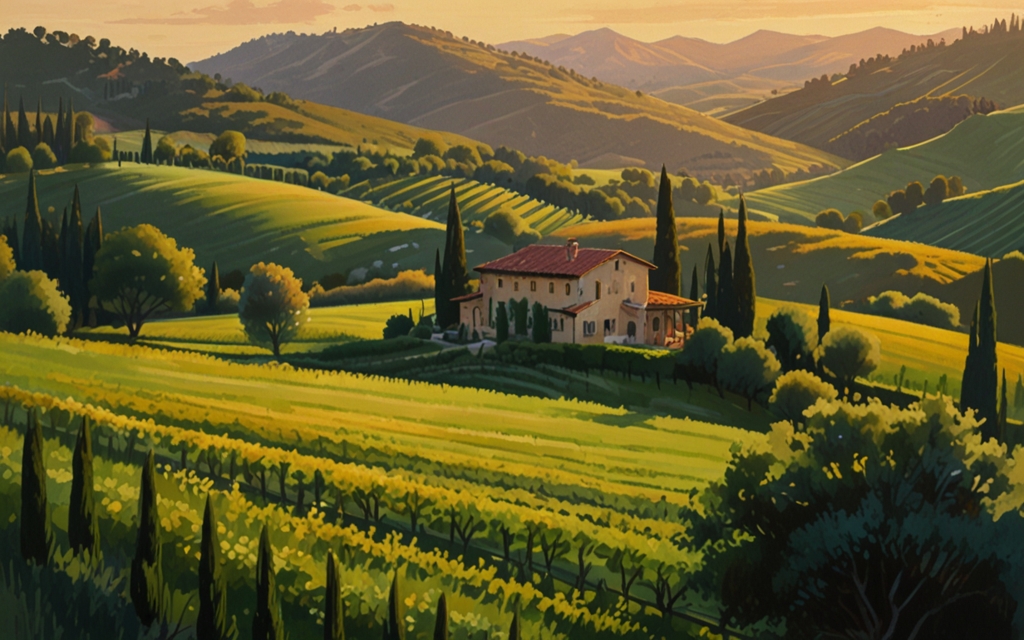

Southern Europe
Retire in Italy
Italy offers a temperate Southern European setting with a life expectancy of 84 years and well-established healthcare. Living costs are noticeably lower than the US, and you'll find a rich cultural landscape alongside practical urban and rural options for settling in.
- Currency
- EUR
- Main language
- Italian
- Population
- 59M
At a glance
Cost of living
~34% cheaper than the US
national price level vs the US · World Bank (PPP ÷ FX rate), 2025
How the numbers have moved
Italy's economic fortunes have recovered meaningfully since the 2020 pandemic shock. GDP per capita (at purchasing power parity) fell sharply in 2020 to $44,436, then grew steadily—reaching $62,014 by 2024, a recovery of 40% in four years and well above pre-pandemic 2019 levels ($46,662). Life expectancy has also been on a positive trajectory overall, rising from 82 years in 2010 to 84 years in 2024, with only minor dips during the pandemic. Population, however, has declined gradually—from 60.1 million in 2015 to 58.9 million in 2025—reflecting an aging society and net emigration of younger Italians. For a retiree, the economic rebound and rising life expectancy are encouraging signs, though the shrinking population hints at demographic pressures on public services.
Multi-year series from the World Bank — the same indicators as above, over time.
Cost of living
Italy costs noticeably less than the US—about two-thirds the price level. Your money stretches furthest on housing outside major cities and on fresh groceries from local markets; dining out, especially away from tourist zones, feels affordable. Transport and utilities are reasonable; healthcare costs for residents with public coverage are minimal, though private care and medicines can add up if you're not careful.
Housing is where you save the most—rents and property prices outside major cities feel genuinely cheap compared to the US. Groceries are affordable, especially if you shop at markets and smaller shops rather than supermarkets; pasta, bread, seasonal vegetables, and local cheeses cost less. Dining out ranges from very affordable (pizza or trattoria lunch) to pricey (upscale restaurants in tourist areas). Local public transport (buses, regional trains) is inexpensive; owning a car adds costs but is optional in walkable towns. Utilities (electricity, gas, water) are moderate. Healthcare costs for residents in the public system are minimal (small copays and prescription fees); private care and medicines can be pricier. Leisure—museums, concerts, local activities—tends to be affordable, though tourist attractions in Rome charge premium prices.
Anchored to the national price level (~34% cheaper than the US) — World Bank (PPP ÷ FX rate) 2025.
Healthcare
Italy's public healthcare system covers residents with a strong track record—life expectancy stands at 84 years and the coverage index is 82. As a foreign retiree, you can access public care once you've registered for residency; many people use a mix of public clinics and private doctors, and private health insurance is widely available and common among expats. Prescription drugs and specialist visits have modest out-of-pocket costs for those in the system. Emergency care is reliable, though wait times for non-urgent procedures can be longer in the public system.
Foreign retirees can access Italy's public healthcare system (Servizio Sanitario Nazionale, SSN) once registered as residents—you'll register with a general practitioner (medico di medicina generale) at a local health clinic, which becomes your gateway to public care. The system covers preventive care, emergency treatment, hospital stays, and specialist referrals, though wait times for non-urgent procedures (imaging, surgery) can stretch weeks or months. Many retirees supplement with private health insurance to avoid waits and gain access to English-speaking specialists; finding English-speaking doctors is easier in major cities and among private practitioners than in the public system. Prescription medications are subsidized through the public system (with small copays); you can also buy over-the-counter medicines at pharmacies (farmacie), which are abundant and helpful. Emergency care is excellent and free. Dental and vision care are not fully covered publicly, so most retirees use private dentists and optometrists. The life expectancy of 84 years and coverage index of 82 reflect a system that works well for chronic disease management and preventive care, which suits older residents, though language barriers and bureaucratic complexity can frustrate newcomers.
Coverage index 82/100 (WHO 2023) · life expectancy 84 yrs (World Bank 2024). General information, not medical advice.
The five-factor profile
Each axis is a 0–100 score derived from the sourced indicators above and the climate normals below — nothing is hand-set. See the methodology for the exact formulas.
- Affordability54
- Healthcare82
- Climate comfort79
- Longevity94
- Prosperity81
Climate & seasons
Italy's climate varies by region. Rome experiences mild, occasionally rainy winters (January averages 7°C) and warm, dry summers (July 26°C), with 775mm of rain spread across the year. Bologna in the north is cooler—January dips to 3.5°C and July reaches 26.1°C, with 657mm of rain, giving you sharper seasonal swings and occasional snow. Palermo in the south is the warmest year-round (January 10.3°C, July 26°C, 714mm rain), with a Mediterranean rhythm of mild winters and hot, dry summers. Spring and autumn are generally pleasant across all three; summer heat in the south and central regions can be intense.
| City | Annual mean | January | July | Rain / yr |
|---|---|---|---|---|
| Rome | 15.9°C | 7°C | 26°C | 775 mm |
| Bologna | 14.2°C | 3.5°C | 26.1°C | 657 mm |
| Palermo | 17.5°C | 10.3°C | 26°C | 714 mm |
Source: NASA POWER (MERRA-2 climatology), long-term climatology.
A year in the life
Winter (December–February) brings mild but damp weather to Rome (January 7°C, 775mm annual rain), chilly days to Bologna (January 3.5°C, occasional snow), and cool, pleasant weather to Palermo (January 10.3°C). Many retirees find central heating inconsistent and layer clothing; this is low season for tourism, so towns feel quieter and prices drop. Spring (March–May) warms all three cities and brings renewal—gardens bloom, expat social calendars fill, and it's ideal for travel within Italy. Summer (June–August) is hot and dry; Rome and Bologna reach 26°C (with humidity in the north), and Palermo hits 26°C with intense Sicilian heat. This is peak tourist season and peak season for travel away from cities—many locals close shops for August holidays. Autumn (September–November) is often considered the best season: temperatures cool, rain returns gently, and the rhythm settles into harvest and slower living. Cultural events and local festivals resume, and expat community activities pick up again. Overall, your retirement rhythm often shifts to lighter activity in summer heat, richer social engagement in autumn and spring, and indoor pursuits or southern travel in winter.
The cities, up close
Rome, the capital, pulses with history, culture, and traffic; it suits retirees drawn to museums, food, and social buzz, though it can feel crowded and chaotic. Bologna in the Emilia-Romagna region is quieter, walkable, university-minded, and known for its food and medieval charm—ideal for those seeking intellectual engagement without Rome's intensity. Palermo, Sicily's vibrant capital, offers warmth, coastal beauty, and a slower southern tempo; it appeals to retirees seeking authenticity and a strong sense of place, though infrastructure and services can be less polished than the north. Each has distinct expat pockets; Rome and Bologna attract more international residents, while Palermo draws those seeking a more Italian, less expat-heavy experience.
Retirement-visa path
Italy's primary route for retirees is the Elective Residency visa (Visto di Autosufficienza Economica), available to non-EU citizens. You'll need to demonstrate stable, regular income to support yourself—verify the current threshold with your nearest Italian consulate, as figures fluctuate. The process typically involves proving financial means, obtaining police clearance from your home country, passing a medical examination, and demonstrating suitable accommodation. Once approved, you receive an entry visa and convert it to a residence permit (permesso di soggiorno) within your first weeks in Italy; this can lead toward permanent residence after several years of uninterrupted stay. The timeline from application to entry visa often spans 2–4 months. Contact your nearest Italian consulate or the official government immigration portal for current requirements and application forms.
Step by step
1. Gather proof of stable, regular income (pension statements, investment records, employer letter—verify the current income threshold with your consulate). 2. Obtain a police clearance certificate from your home country and a recent medical certificate. 3. Secure proof of suitable accommodation in Italy (rental agreement, property deed, or letter of invitation). 4. Apply at your nearest Italian consulate, submitting your documents, completed visa form, and passport. 5. Attend a consulate interview and biometric appointment (fingerprints, photo). 6. Wait for visa approval—typically 2–4 months. 7. Enter Italy within the visa validity period. 8. Within 8 days of arrival, apply for your residence permit (permesso di soggiorno) at the local police headquarters (Questura) in your Italian town. 9. Receive your residence permit card; register with the municipal registry and tax authority. 10. Renew your residence permit annually; after several continuous years of legal residence, you may become eligible for permanent residence. Consult the official government immigration portal and your nearest Italian consulate for current forms, income thresholds, and processing times—do not rely on unofficial sources or outdated advice.
Verified official source: www.interno.gov.it
AI-drafted from official sources · pending human review · drafted 2026-07
Taxes
Italy generally taxes residents on worldwide income, but non-residents may have different obligations depending on income source and any applicable tax treaties with your home country. Foreign-source income (pensions, investments from abroad) may qualify for preferential treatment under certain conditions, and some retirees benefit from reduced taxation if they meet specific criteria—but this varies widely. As a non-Italian citizen establishing residence, you'll need to register with the tax authority (Agenzia delle Entrate) and declare your income. Tax rules are complex and highly individual; consult a cross-border tax professional familiar with your home country's tax code before moving.
Safety & advisories
Italy is generally safe for retirees, with lower violent crime rates than the US. Pickpocketing and bag snatching occur in tourist areas and on public transport, especially in larger cities—keep valuables close and be alert in crowds. Petty theft is the main concern; violent crime against foreigners is rare. Healthcare is reliable and emergency services respond promptly. Check your government's official travel advisory for the most current safety information, as conditions can shift.
What retiring here is like
Retired life in Italy revolves around a slower pace, strong family and community ties, and deep engagement with food and local culture. You'll encounter well-established expat communities, especially in Tuscany, the Amalfi Coast, and northern lakes, which can ease the transition—though many retirees prefer to integrate with Italian neighbors. Walking is the default in town centers; public transport (buses, regional trains) is affordable and widely used, though sometimes unpredictable. Italian is the daily language; English is spoken in tourist areas and by younger people, but learning Italian opens doors to friendships and everyday ease. Expect a shift toward long meals, afternoon riposo (rest), and an unhurried rhythm that suits many retirees but requires patience during bureaucratic encounters.
Who it tends to suit: Retirees drawn to Mediterranean culture, food, and history who value walkable communities and don't mind learning conversational Italian.
Frequently asked questions
- How much does it cost to retire in Italy?
- Overall living costs in Italy are ~34% cheaper than the US (World Bank PPP price level). Italy costs noticeably less than the US—about two-thirds the price level. Your money stretches furthest on housing outside major cities and on fresh groceries from local markets; dining out, especially away from tourist zones, feels affordable.
- What is healthcare like in Italy?
- Italy scores 82/100 on the WHO universal-health-coverage index. Italy's public healthcare system covers residents with a strong track record—life expectancy stands at 84 years and the coverage index is 82. As a foreign retiree, you can access public care once you've registered for residency; many people use a mix of public clinics and private doctors, and private health insurance is widely available and common among expats.
- What is the climate in Italy?
- Italy averages 15.9°C year-round, ranging 7°C to 26.1°C (NASA POWER normals). Italy's climate varies by region. Rome experiences mild, occasionally rainy winters (January averages 7°C) and warm, dry summers (July 26°C), with 775mm of rain spread across the year.
- What retirement or long-stay visa does Italy offer?
- Italy does not have a dedicated retirement visa program. However, non-EU citizens can apply for a long-stay residence permit (permesso di soggiorno) based on passive income or pension, typically requiring evidence of financial self-sufficiency. The income threshold varies by region and consulate; verify the current requirement with your nearest Italian consulate before applying.
- Is Italy safe for retirees?
- Before deciding, review your government's current travel and safety advisory for Italy to stay informed of any regional considerations.
- Will I owe taxes if I retire in Italy?
- Italy's tax residency and healthcare eligibility rules for foreign retirees are complex and depend on your previous tax domicile; consult a tax professional or commercialista (Italian accountant) familiar with expatriate returns.
Where to look next
More in Southern Europe

Similar cost of living